What Belongs Down a Septic Drain?
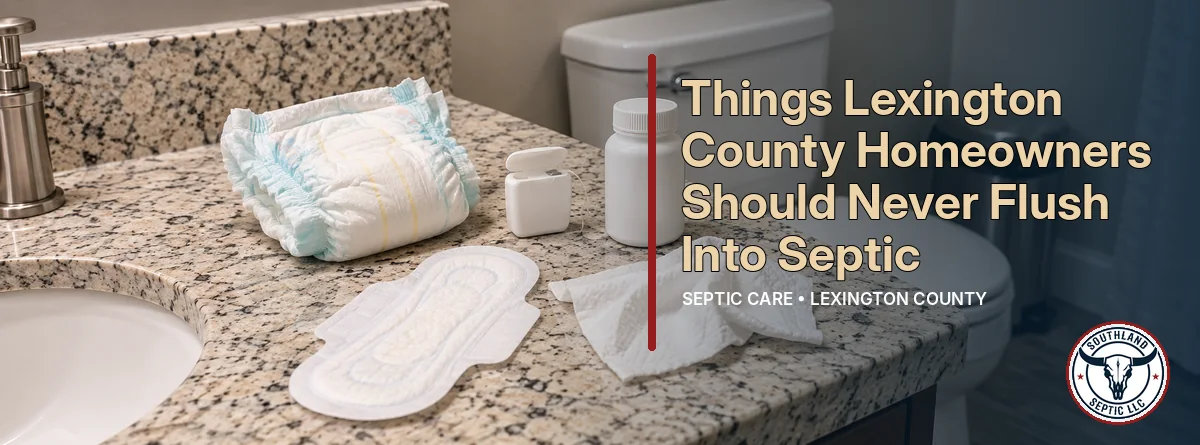
For a Lexington County home with a septic system, the safest rule is simple: the toilet is for human waste and toilet paper, and household drains should not be treated like trash cans. Materials that don't break down easily can add solids, create clogs, or move into parts of the system where they don't belong. Grease, harsh chemicals, paints, medicines, and other unsuitable liquids can also interfere with normal septic treatment.
This matters whether the system is relatively new or has been in service for years. Good disposal habits reduce avoidable stress on the tank and drain field and make routine maintenance more predictable. Homeowners who are unsure about their system, service history, or current symptoms can review septic service in Lexington, SC before deciding what type of professional service may be appropriate.
Why “Flushable” Wipes Still Belong in the Trash
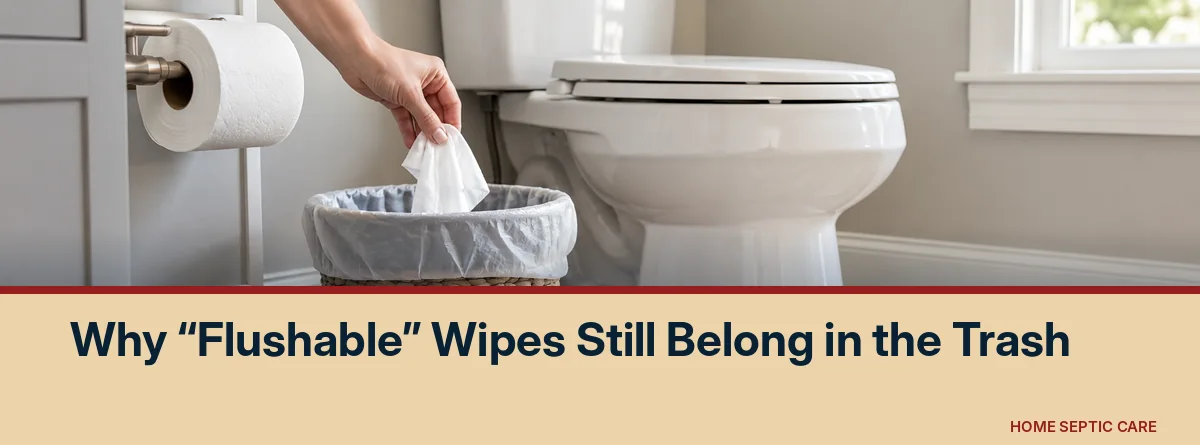
Wipes are one of the easiest products to mistake for toilet paper, especially when packaging suggests they can be flushed. For septic homes, the better habit is to put wipes in the trash. The same approach applies to paper towels, diapers, feminine hygiene products, condoms, dental floss, cigarette butts, cat litter, and similar household items.
Toilet paper is designed to break apart much more readily in water. Many other products stay intact longer, adding material that the septic tank must hold or that can contribute to plumbing and system problems. The U.S. Environmental Protection Agency advises homeowners to flush only human waste and toilet paper, and South Carolina septic-maintenance guidance similarly lists wipes and several common hygiene products among items that should never be flushed.
If a household has recently moved into a home with an unknown septic history, that is also a good reason to establish a maintenance baseline. Southland Septic's septic tank pumping information explains why pumping schedules depend on tank size, household use, solids accumulation, and other property-specific factors.
Keep Grease, Coffee Grounds, and Food Solids Out of Drains
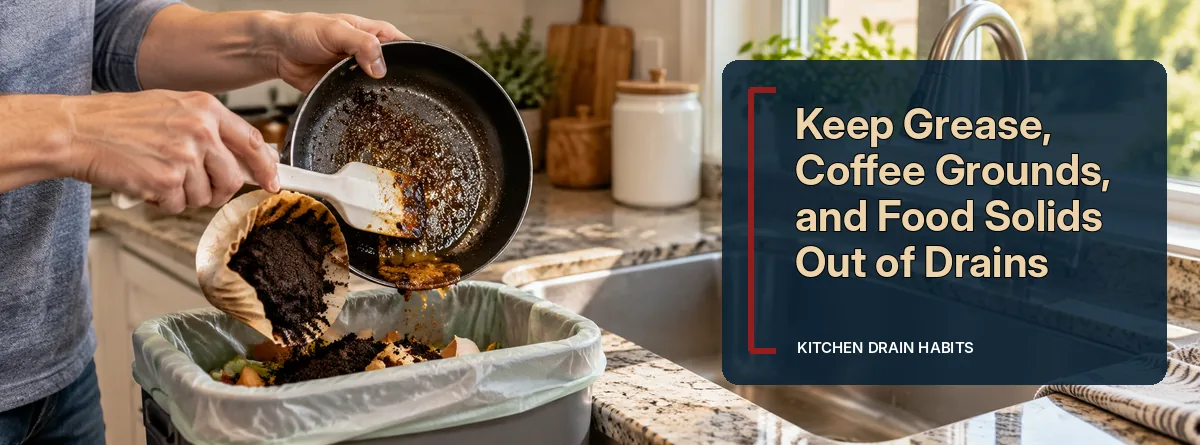
The kitchen sink is another place where disposal habits matter. Cool cooking oil and grease, then place it in an appropriate container for disposal rather than pouring it down the drain. Coffee grounds and food solids also belong in the trash or another suitable disposal stream, not in the septic system.
Garbage disposals can increase the amount of solids entering a septic tank. That does not mean every home with a disposal will immediately have a problem, but it does mean the system may receive more material that must eventually be removed. EPA and South Carolina guidance both recommend limiting or avoiding garbage-disposal use in septic homes. Keeping grease and solids out of the drain is a simple way to reduce unnecessary loading on the system.
Chemicals, Paint, Pesticides, and Medicines Need Proper Disposal
A septic tank relies on biological processes to treat household wastewater. Large amounts of toxic or harsh materials are able to disrupt those processes, and some substances should not go into wastewater at all. Handle gasoline, oil, pesticides, antifreeze, paint, paint thinner, photographic chemicals, and pharmaceuticals through the appropriate local disposal option instead of flushing them or pouring them down a household drain.
Routine cleaning products should also be used as directed and in moderation. The goal is not to avoid normal household cleaning, but to avoid using the septic system to dispose of leftover chemicals or concentrated products. When a product label provides disposal instructions, follow those directions and any applicable local household hazardous waste guidance.
Why These Habits Matter to the Whole Septic System
A septic system separates solids in the tank and sends liquid effluent onward to the drain field for additional treatment in the soil. Items that do not break down well add to the solids and debris the system must manage. Fats, grease, and excess food waste can add to scum or solids, while unsuitable chemicals can interfere with the organisms involved in treatment.
Good habits do not replace inspection or pumping, and they cannot prevent every repair. They remove several avoidable sources of stress. If slow drains, gurgling, sewage odors, backups, wet ground, or other warning signs develop, evaluate those symptoms rather than assume one specific cause. The septic system repair page explains why correct diagnosis matters before deciding what work is needed.
What to Do If the Wrong Item Was Flushed
One accidental flush does not automatically mean the septic system has failed. Avoid sending more of the same material into the system, watch for plumbing changes, and do not try to correct the mistake by pouring strong drain chemicals or unverified septic additives into the toilet. If an object causes an immediate fixture blockage, you may need to address the plumbing problem before it becomes a larger issue.
If repeated improper disposal has occurred, the service history is unknown, or symptoms are already present, a septic professional is able to determine whether pumping, inspection, plumbing work, or another response makes sense. For common homeowner questions, Southland Septic also maintains a septic system FAQ.
A Simple Septic Rule for Lexington County Homes
Keep the toilet limited to human waste and toilet paper. Keep wipes, hygiene products, paper towels, litter, floss, and other trash out. Keep grease, food solids, harsh chemicals, paints, pesticides, oils, and medicines out of household drains. Those everyday choices are a practical part of septic care and can help Lexington County homeowners avoid preventable problems between professional service visits.