
What Happens During Professional Septic Tank Cleaning?
Homeowners in Lexington, South Carolina, who rely on a septic system may notice that the terms septic tank cleaning and septic tank pumping are often used as if they mean the same thing. Both generally refer to a maintenance service, but there are some important details about what actually takes place during these visits.
When a professional cleans a septic tank, the main goals are to remove the build-up inside, look for any visible issues when possible, and guide homeowners about what to do next for proper upkeep.
The type of service provided depends on how the tank is built, how easy it is to reach, how much waste has collected inside, and the current state of the system.
Locating and Opening the Septic Tank
Before any cleaning starts, the technician needs to find where the septic tank is and figure out how to get to its main access points.
In many homes around Lexington, the septic tank is located beneath the yard. Often, the access lids are hidden by soil or landscaping, particularly on older properties that do not have above-ground risers.
If the homeowner is unsure of the tank’s location, the technician might need to spend extra time finding it. After locating the right access point, the technician will use proper tools and safety methods to uncover and open the tank.
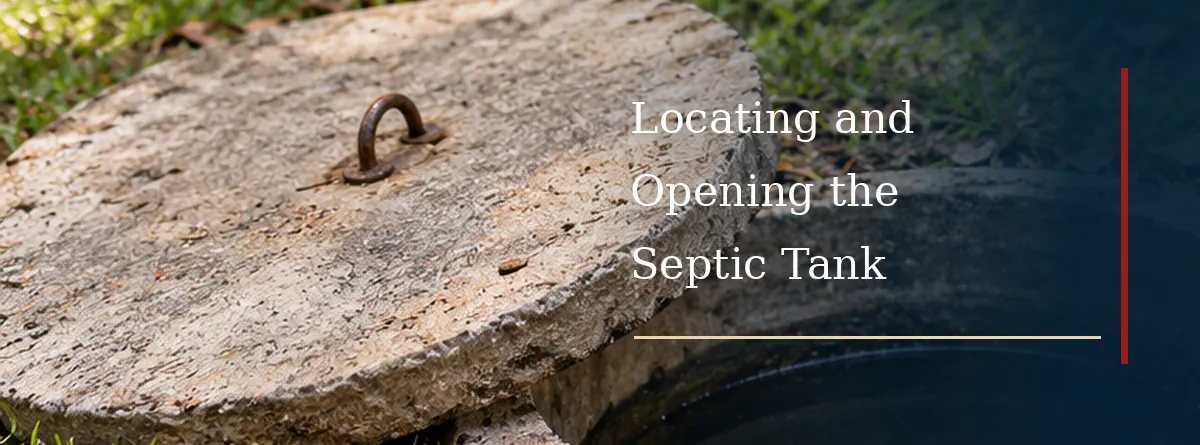
Septic tank lids are usually very heavy, and the tank itself might pose risks such as harmful gases or fall hazards. For safety, homeowners should avoid trying to open or enter a septic tank on their own.
Removing Sludge, Scum, and Wastewater
Inside a septic tank, wastewater separates into layers. Solids sink to the bottom to form sludge, while oils and lighter debris float to create a scum layer on top.
As time passes, these layers build up. If too much material stays in the tank, solids might reach the outlet and cause problems with the drain field.
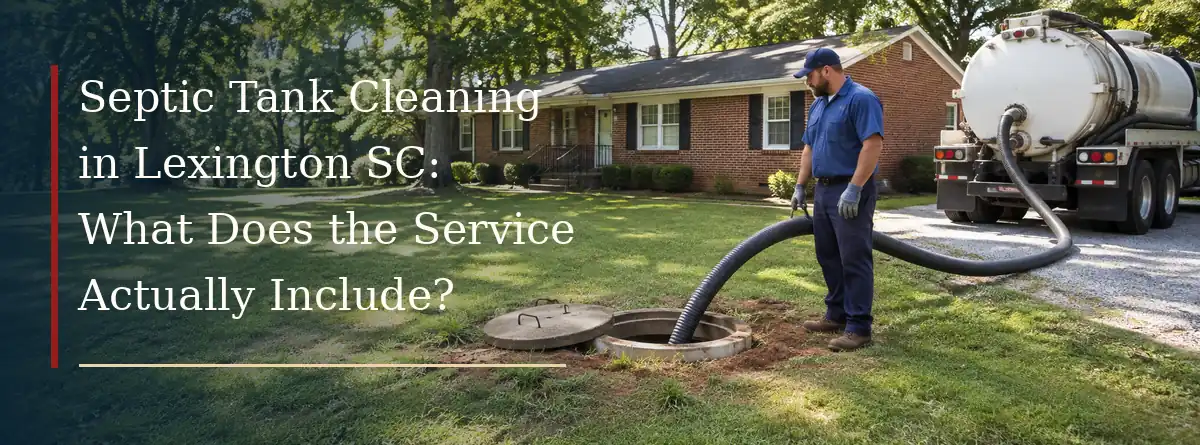
Pumping involves using a vacuum truck and hoses to empty the tank’s contents.
Sometimes, the technician stirs or breaks up the built-up material to make sure both the settled sludge and floating scum are completely removed.
If the tank has more than one compartment, it’s important to access and clean each one. Only pumping through a small inspection hole may not allow for a thorough cleaning.
To learn more about this process, check out Southland Septic’s septic tank pumping service page.
Checking Accessible Tank Components
Cleaning makes it easier for the technician to check parts of the tank that are hard to see when the tank is full.
Depending on the system and what services are planned, the technician might look for issues such as:
- Inlet and outlet baffles or tees
- Accessible tank walls and structural surfaces
- Access lids and risers
- Effluent filters, when installed and accessible
- Obvious leakage, damage, or unusual conditions
Spotting these kinds of issues can help catch problems early. Still, regular cleaning isn’t a substitute for a full septic inspection.
If the technician notices signs of damage, clogs, or possible trouble with the drain field, they may suggest further testing or repairs.
Closing the Tank and Completing the Service
Once the pumping and any planned checks are finished, the technician will make sure all tank openings are safely closed and secured.
If the technician had to dig up soil to access a buried lid, they will refill the area as needed. It’s a good idea to ask about landscape restoration details before the appointment.
Before finishing up, the technician will explain what was done, point out any issues they found, and let the homeowner know if more work might be needed.
It’s helpful to keep a record of the service date and any paperwork, since this information is useful for future maintenance or if the property is sold.
Is Septic Tank Cleaning Different From Pumping?
Most people use the terms interchangeably to refer to the same service—removing wastewater, sludge, and scum that have collected in the tank.
However, calling it "cleaning" doesn’t mean every internal part is repaired, that the tank was pressure-washed, or that the whole septic system was inspected.
It’s smart to ask exactly what’s included before you schedule a visit—especially if your tank has more than one compartment, is hard to reach, or has had issues in the past.
Southland Septic also offers helpful cleaning and maintenance information for homeowners planning regular care.
How Often Should Lexington Homeowners Schedule Cleaning?
How often you need cleaning depends on things like the tank’s size, how many people live in the house, water usage, how much solid waste enters the system, and past maintenance.
The U.S. Environmental Protection Agency says most septic tanks in homes are pumped every three to five years, but some situations may need more or less frequent service.
If you don’t know when the tank was last cleaned, it’s better to have it checked by a professional than to try guessing when pumping is needed.
Homeowners should look out for signs like slow drains, bad smells, wastewater backing up, or very wet ground near septic parts. These issues don’t always mean the tank just needs cleaning.
A septic professional can figure out if the problem is with the tank, the pipes, the connecting lines, or the drain field.
Preparing Your Property for Septic Tank Cleaning
Doing a few things ahead of time can help the cleaning appointment go smoothly.
- Provide the last known pumping date, if available.
- Identify the approximate tank location from previous service records or property documents.
- Make sure service vehicles can reach an appropriate parking area.
- Keep pets and children away from the work zone.
- Explain any drainage problems or unusual septic symptoms when scheduling.
Don’t dig near the tank on your own unless you know where utilities are and have taken proper safety steps. There could be hidden pipes, electrical wires, or other utilities nearby.
Schedule Septic Tank Cleaning in Lexington, SC
Southland Septic LLC operates out of Gilbert and serves Lexington as well as other areas in the South Carolina Midlands.
If your tank needs maintenance or you’re not sure about its history, the company can go over your property and help you decide what to do next.
Check out Southland’s septic services or contact Southland Septic LLC to get more information or request service.