
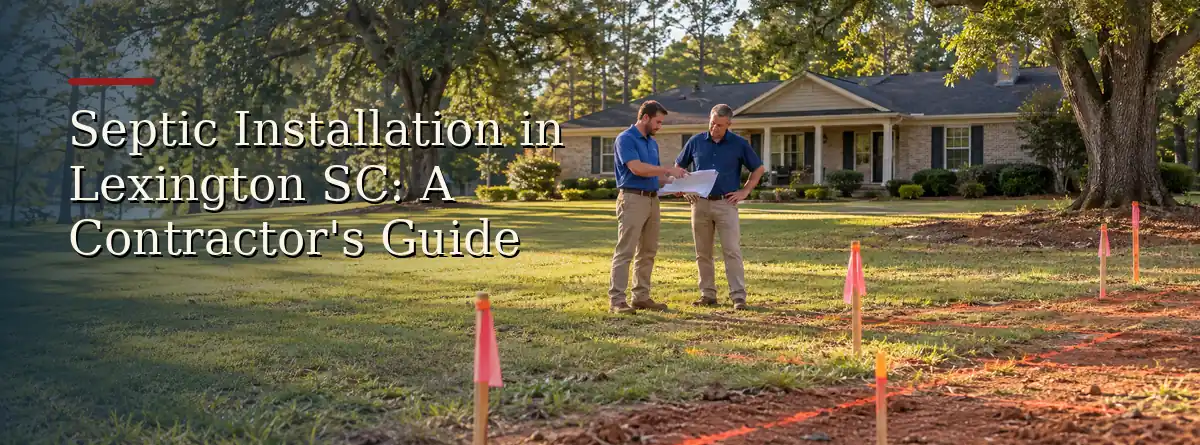
Start Septic Coordination Before the Site Is Busy
Septic work can affect several parts of a construction schedule: grading, driveway access, utility work, foundation activity, and the areas reserved for the drain field. Contractors who bring the septic installer into the conversation early can reduce avoidable conflicts and help the project follow the approved system plan.
For a new system in South Carolina, the property needs the required approval and permit before construction begins. Confirm with the owner who is handling the application and whether the approved permit and plan are available. A septic installer can then review the property's system requirements and coordinate the installation around them.
Confirm the Approved Septic Plan Before Scheduling Work
Do not schedule excavation from a preliminary sketch or a rough idea of where the tank and drain field may fit. The approved plan and permit are the starting point for the installation. They identify the system layout and help the project team understand which areas must remain available for septic work.
Before equipment arrives, confirm that the installer has reviewed the approved documents and that the people directing site work understand the intended layout. If the house location, grading, driveway, retaining work, or other site conditions have changed since the plan was approved, pause and ask the appropriate professional whether the change affects the septic approval. Do not treat a field adjustment as automatically acceptable.
South Carolina’s Department of Environmental Services describes the permit process and the steps for residential applications. Contractors can review the SCDES residential septic permit process with the property owner when confirming project responsibilities.
Keep Construction Traffic Away From the Drain Field
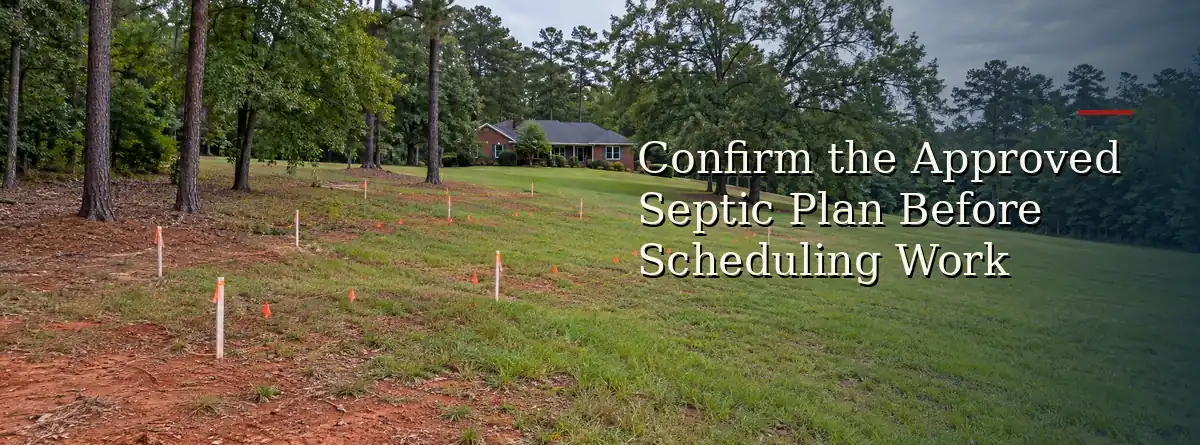
The proposed septic area needs protection while the rest of the site is being prepared. Heavy equipment, material storage, repeated truck traffic, and unplanned grading can disturb soil or make the work area harder to reach. Make sure the septic layout is understood before deciding where vehicles will turn, where materials will sit, or where temporary access routes will run.
Walk the site with the septic installer and the person overseeing construction. Identify the intended work zone, equipment access, and any pragmatic constraints such as narrow gates, slopes, trees, or wet ground. Keep the drain-field area clear unless the approved plan and the professionals responsible for the system indicate otherwise.
Weather can also affect site readiness. Wet soil may delay a site evaluation or make access difficult, so leave room in the schedule for conditions that cannot be controlled. If the site becomes saturated or the proposed work area changes, check with the installer before proceeding.
Fit Septic Work Into the Construction Sequence
Septic installation is easier to coordinate when it is treated as a defined stage of the build rather than a last-minute task. Discuss when the installer needs clear access, which construction activities must be completed first, and what work should wait until the septic components have been installed and inspected. This conversation can help prevent finished surfaces, stored materials, or other trades from blocking the work area.
Include the owner, builder, septic installer, and any other relevant site lead in schedule updates. If a driveway route, utility trench, drainage feature, or grading plan changes, share that information immediately. Even a minor change to the building schedule may affect access to the septic area or conflict with the approved layout.
Southland Septic works with homeowners, builders, and contractors on septic installation projects. For more about the service, see the septic tank installation service page.
Coordinate the Required Inspection Before Backfilling
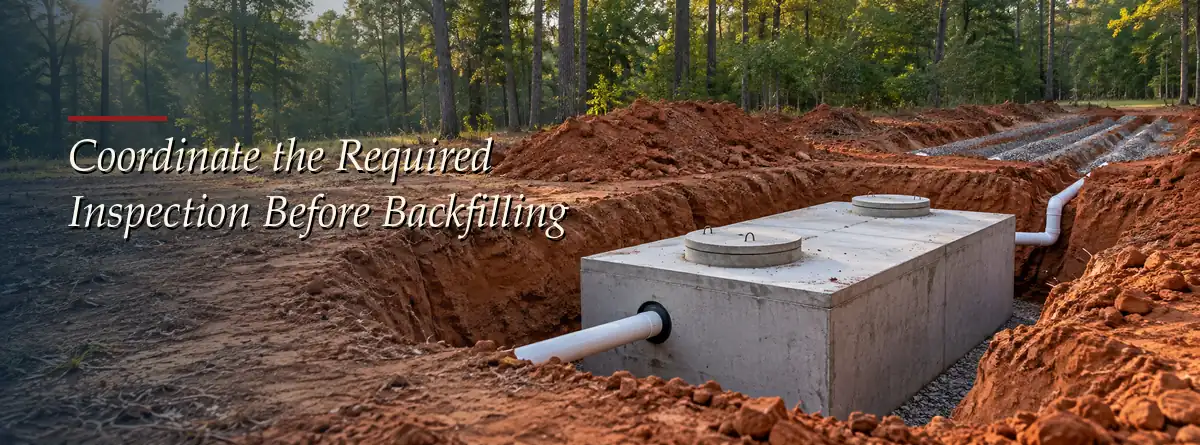
Do not cover the system simply because the equipment is ready to leave the site. South Carolina’s process requires inspection of the installation before it is covered. The licensed installer should coordinate the inspection through the applicable SCDES process and confirm when the work can move forward.
Make this inspection milestone visible on the project schedule. The builder and site crew should know which parts of the installation must remain accessible and who will confirm that the inspection requirements have been met. Backfilling too early can create unnecessary rework and make it harder to verify the completed installation.
The state provides details about septic site inspections. Contractors should work directly with the licensed installer about the inspection request and any site preparation needed before the inspection.
Close Out With a Clear Handoff
Once the installation and inspection steps are complete, give the property owner a clear handoff. Confirm that the owner knows where the system is located, which records were provided, and whom to contact with questions about the approved installation or future service. Keep the system paperwork with the property’s construction and maintenance records.
It also helps to remind the owner that future work around the septic area should be planned with the system location in mind. Avoid asserting a particular system lifespan or maintenance interval unless the installer or system documentation endorses that guidance for the property.
For a Lexington-area project, contractors can coordinate septic installation details with Southland Septic LLC once the project scope as well as approved plans are available.