
Planning a New Septic System Should Begin Before Excavation
Quick Answer: The installation of a septic system generally begins with an assessment of the property, verifying the system's design and the necessary approvals, and arranging access for the work. The actual installation usually consists of digging the site, placing the tank, laying the pipes, building the drain field, carrying out any required inspections, backfilling, and last of all grading the site. The exact steps will depend on the property, the system design, the weather, the access conditions, and the local regulations.
In Gilbert, South Carolina, carrying out a successful septic system installation involves more than just sinking a tank into the ground; the tank, the piping, the drain field, the general arrangement of the property and future access to the system all have to work as one complete and integrated system.
What Occurs Before the Septic System Is Installed?
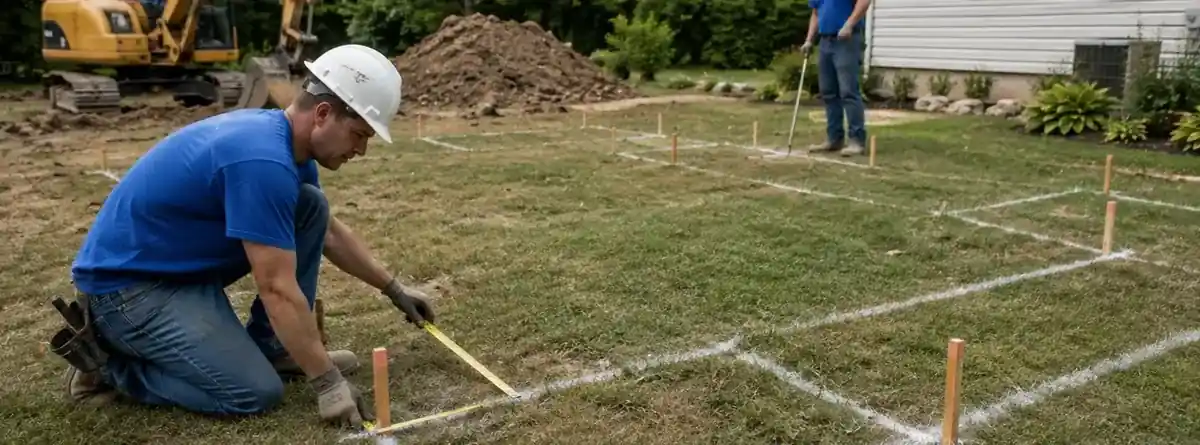
Prior to excavation starting, the property must be assessed in order to determine where the septic components can be situated and how the installation will fit with the site. For this purpose it may be necessary to look at the intended use of the building, the system design, equipment access, any existing structures, the utilities, the slopes, the drainage, and the areas suggested for the tank and drain field.
The requirements regarding the permit, the site assessment and approval may vary from project to project and depending on location. Homeowners should get in touch with the appropriate local authorities and with qualified septic experts to find out what their property requires.
What Is Usually Involved in the Installation Process?
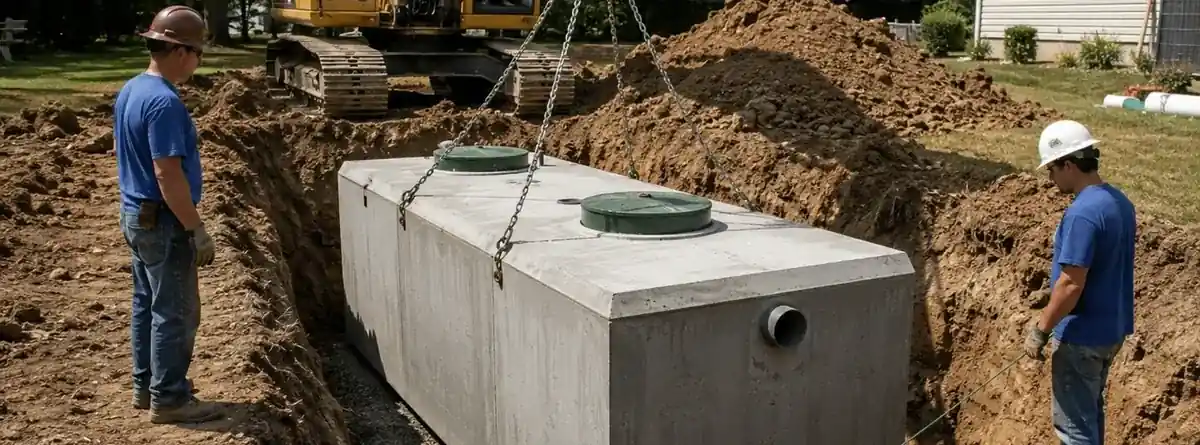
A normal installation will require you to prepare the work area, dig to place the tank and all the other system components, put in the septic tank, connect the piping, and install the drain field components which have been specified for the property. The system may also need to undergo an inspection or obtain approval before any of the work is covered.
After all the necessary work has been done, the areas which have been excavated are usually filled in again and the site is leveled. It is also essential that the system stays accessible for any future pumping, inspection or repairs.
What Affects the Length of Time for the Installation?
The timeline may vary since each property is different; weather conditions, wet ground, equipment access, system design, the circumstances met with during excavation, the need for approvals, and scheduling can all influence how fast the job progresses.
In South Carolina, heavy rainfall may cause problems since the ground can become so wet that it becomes difficult to carry out efficient excavation or final grading. When setting a schedule it is necessary to take account of the actual conditions at the site rather than giving a general promise that applies to all situations.
What Takes Place After the Tank and Drain Field Have Been Installed?
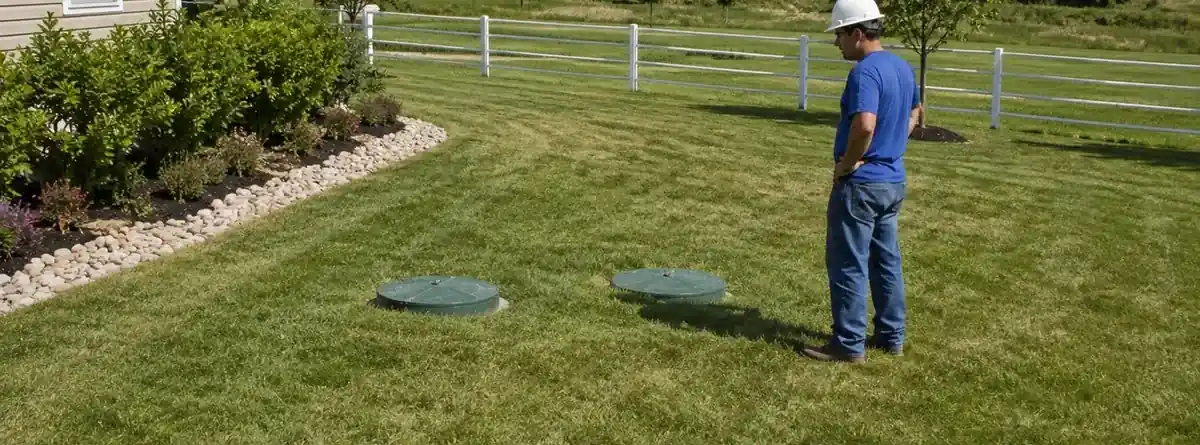
Once the main parts of the septic system have been put in place, the rest of the work typically involves making the final connections, carrying out any necessary inspections, completing the backfilling and grading, and then cleaning up. Homeowners should know where the tank and drain field access points are so these locations can be kept safe and remain easily accessible if maintenance is needed in the future.
What Should Homeowners Do Before Work Starts?
- Arrange for trucks and excavation equipment to access the site before the installation date.
- Tell the contractor about any structures, landscaping, wells, driveways, fences, and other features that are on private property near the area where the work is to be carried out.
- Locate the tank access points and the drain field after installation.
- Keep vehicles, heavy equipment, and permanent structures away from the drain field area.
- Retain copies of the system plans, approvals, and service records which are provided.
South Carolina Considerations
Drainage, slope, available space, soil type, and how the site behaves after heavy rain may influence the installation method for properties in South Carolina. Check the project's specific requirements before work begins.
When Should You Contact a Septic Professional?
Septic system installation involves excavation, heavy machinery, tank placement, piping, and drain field work—all of which should be handled by a professional. If you plan to install a new system or replace your current one, Southland Septic LLC can help you discuss the septic work required for your property and the next steps.
Frequently Asked Questions
Is it possible to choose the exact spot for the septic tank and the drain field?
You may state your preferences. Still, the final location will be determined by the property layout, system design, site conditions, access, applicable requirements, and areas suitable for the septic components.
How long does it take to install a septic system?
No one timetable applies to all properties, since the schedule varies based on approval steps, weather, excavation conditions, equipment access, the type of system, inspection requirements, and the need for site restoration.
Will the yard be disturbed when the septic system is installed?
Yes, it will, since excavation is generally needed for the tank, the piping, and the drain field components. The degree of disturbance will vary depending on the system design and the property, and the grass or landscaping may need time to recover after final grading.
What should I avoid doing when there's a new drain field?
Don't park vehicles, drive heavy equipment, or put up any permanent heavy structures above the drain field. Keep deep-rooted trees away from the septic components.
Bottom Line
In Gilbert, SC, when you are installing a septic system, the process should begin with a full assessment of the property and with drawing up a system plan suitable for the site. If you understand what happens before excavation, during installation, and after final grading, it will be easier to prepare for the project and help protect the system once the work is completed.