

Know What to Expect Before Your Septic Tank Is Pumped
Quick Answer: Having the septic tank pumped gets rid of the solids and scum that have built up in it, enabling the tank to carry on separating the household wastewater as it should. The frequency with which servicing is required depends on the size of the tank, the number of people in the household, water usage, the past maintenance and the present condition of the system.
In Gilbert, septic systems can work well for years, so it's easy to forget about them until something goes wrong. Pumping is a key part of regular maintenance, but it should be scheduled based on your specific system and household needs—not just a generic timeline.
If you're not sure when your tank was last pumped, having a professional check your system can help you decide when to start regular maintenance. Southland Septic LLC provides septic services for homeowners and businesses.
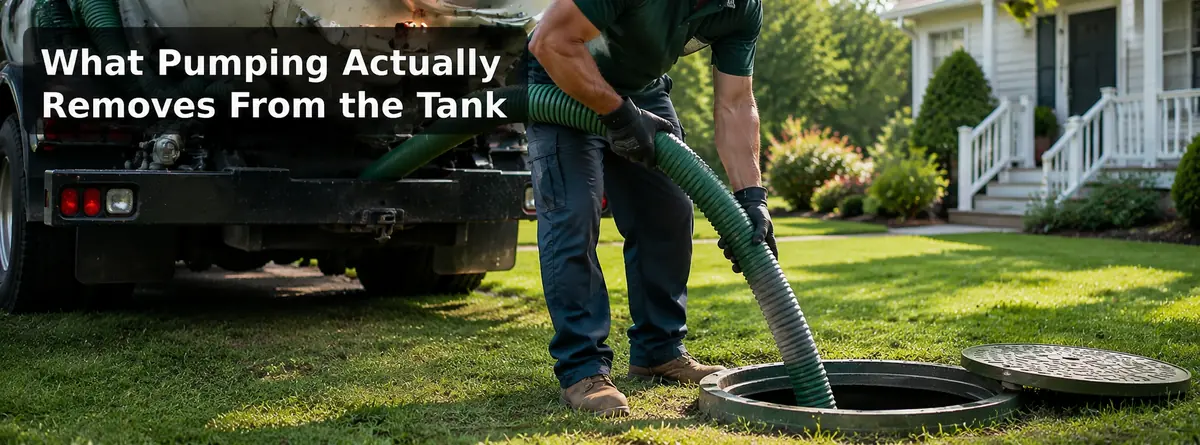
What Pumping Actually Removes From the Tank
When wastewater enters a septic tank, heavier solids sink to the bottom, lighter materials float to the top, and the liquid in the middle flows out to the drain field for further treatment by the soil.
Pumping removes anything that can't leave the tank on its own. If too much solid waste builds up, it reduces the tank's capacity and increases the risk of clogs elsewhere in the system. Pumping won't fix a damaged drain field or solve every septic issue, but it's an important part of keeping your system healthy.
There Is No Single Pumping Schedule for Every Home
A large family with a small tank will likely need service sooner than two people with a big tank. How you do laundry, take showers, host guests, use a garbage disposal, and your overall water use all affect how fast solids build up.
The system's design and condition matter, too. Instead of following the same schedule as everyone else, consider your tank size, how many people live in your home, how you use water, maintenance history, and what a professional finds during service.
Do Not Wait for a Backup to Think About Maintenance
Get your system checked before problems show up—especially if you don't know when it was last pumped, it's been a long time since service, or your household use has changed a lot.
Pumping alone won't always solve issues like slow drains, odors, or wet spots, since these can have different causes. A professional inspection can pinpoint what's really happening.

Warning Signs That Deserve Attention
- Several drains becoming unusually slow at the same time
- Sewage odors around plumbing fixtures, the tank area, or drain field
- Wastewater backing up into tubs, showers, or floor drains
- Wet, soft, or unusually green areas over or near the drain field
These signs don't mean the septic tank is full; they could point to a septic or plumbing issue that should be assessed.
Common Mistakes
- Assuming septic additives eliminate the need for pumping
- Putting off service simply because there are no obvious symptoms
- Driving vehicles or heavy equipment over the tank or drain field
Best Practices
- Keep a record of pumping, inspections, and repairs
- Spread high-water-use activities through the week when practical
- Know the general location of the tank and drain field without digging unthinkingly
- Call a professional when sewage, tank access, excavation, pumps, or electrical components are involved
Gilbert and Midlands Property Considerations
Lot size, soil conditions, system age, household usage, and drainage patterns vary across Gilbert and the Midlands. Heavy rainfall can also make existing drainage or septic problems more apparent. This is another reason why maintenance decisions should be based on each property.
When to Call a Septic Professional
If you are unfamiliar with the pumping history, notice repeated warning signs, or want to put a reasonable maintenance plan in place, call a professional. A professional can pump the tank at the right time and help determine whether another problem needs further investigation.
Frequently Asked Questions
How frequently should a septic tank be pumped?
There is no standard interval, since the tank size, the number of people living in it, water consumption, the condition of the system, and its maintenance history all influence how often pumping should be done.
Does a slow drain mean that my septic tank is full?
Not necessarily. A single slow drain could point to a plumbing problem, but several slow drains may signal a more general issue. A professional assessment can help to determine the cause.
Will pumping correct a failing drain field?
Pumping removes accumulated material from the tank, but it does not automatically remedy a damaged or failing drain field.
Should I use septic additives rather than having the septic system pumped?
No additive should be regarded as a replacement for regular pumping and maintenance.
Final Thoughts
Septic tank pumping is most useful when treated as planned maintenance rather than an emergency response. If you own a home in Gilbert and are unsure about your system's service history, Southland Septic LLC can help you determine the appropriate next step based on the property and the system's condition.